
The Legend of Joop Lekkerloop
No one knows where or when Joop was born. It doesn’t matter. anyway. Some say he began on the Otter Trail. Some swear he first appeared in the Drakensberg. Others insist he came walking out of the Fish River Canyon with a sun-bleached hat, an empty water bottle in his hand, and a smile as if he knew something no one else knew.
No one agrees.
Some say that Joop has hiked every famous trail in Southern Africa…
Joop was never the fastest or the strongest, and certainly not the most prepared hiker. In fact, every hiking story featuring Joop usually begins with: “Jislaaik, Joop had no business being there, but…”, and somehow ends with: “…but he made it anyway.”
Over the years, people noticed something strange. Whenever someone completed a difficult hike, they began to sound a little like Joop: They worried a little less. They complained less. They laughed more. They slowed down a little. Perhaps became a little wiser. And they were always busy planning the next route.
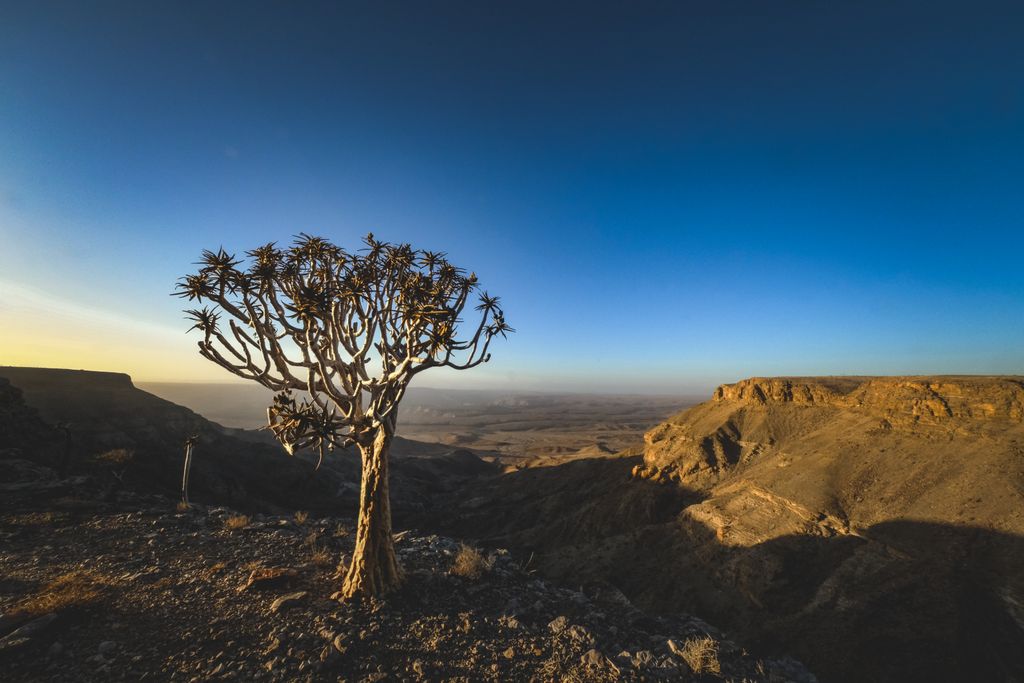
Some say Joop has hiked every famous trail in Southern Africa. Others say that is impossible. Joop himself is said to have said: “The trick is not to walk every trail. The trick is to walk the next one.”
No one knows how old Joop is. Every photo of Joop is out of focus. Every description differs. But everyone agrees on three things: A weathered hat. A backpack full of memories. A walking stick polished smooth by thousands of kilometres.
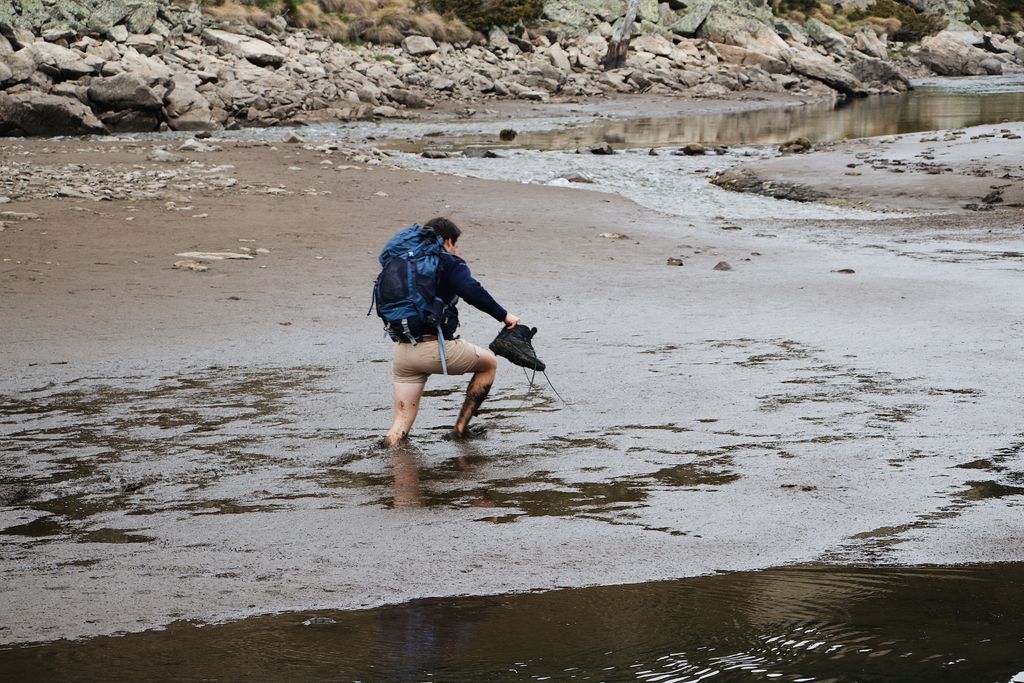
When hikers stand at a crossroads, they say they are faced with a choice: The easy route. Or the route Joop would have taken. Most of the time, it is the same route. Joop just makes it sound more interesting.
Joop is not a person. Joop is what happens when a hiker learns that distance is not everything, that comfort is overrated, that it is the stories worth carrying home, and that every route changes you. Even if only a little.
And as Joop says,
HAMBA!
Because eventually the talking must stop. And the hiking must begin.
Joop became a legend for the worst possible reason…
Joop became a legend for the worst possible reason: He kept choosing the harder road. Not because he was brave. Not because he was ambitious. Not because he was chasing records. Simply because every time he arrived at a crossroads, he scratched his chin, looked at the rougher route, and said: “Ag, let’s see what’s over there.” And off he went.
Over time, the stories became stranger. People claimed they had met Joop on the Otter, in the Drakensberg, on the Camino, in the Fish River, or on mountain passes no one else uses. The strange thing was that every description differed. A different jacket. A different backpack. A different age. A different route. The same hat. The same walking stick. The same smile.
The truth is that Joop never became famous. He became familiar. Every hiker eventually meets a Joop. And if they keep walking long enough, they become Joop! A little more weathered. A little more patient. A little less interested in comfort. A little more interested in stories.
Joop inspired people precisely because he never tried to inspire anyone. He did not give speeches. He did not write self-help books. He did not call himself an adventurer. He simply kept walking. And people noticed.
The story goes that after every hike people would ask Joop: “What did you learn?” And they expected something profound. Instead, Joop would usually say something like: “Pack less.” Or: “Take the river crossing slowly.” Or: “Don’t trust a weather forecast in the Berg.” People laughed. But years later, they remembered.
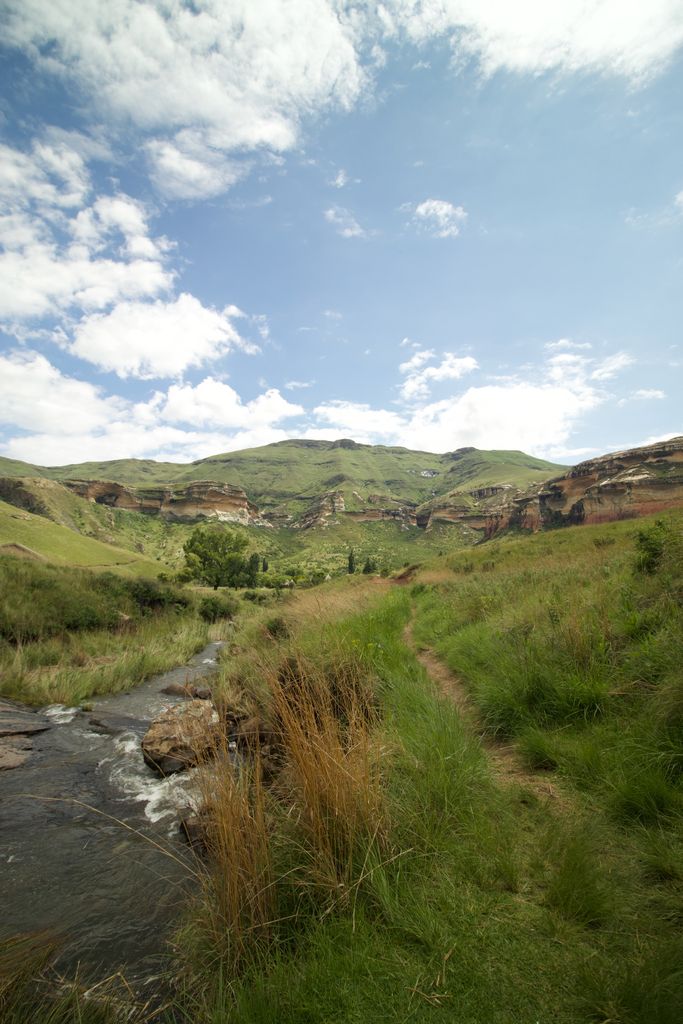
Joop never became famous. He became familiar.
Whenever someone spoke about a route they had dreamed of, there was always a reason why they could not do it: Not fit enough, not enough money, too old, too busy, too inexperienced. Joop listened patiently. Then he shrugged and said: “Well… start with the first kilometre.” Not because the challenge was small. But because the challenge was built from small parts. People left those conversations believing they could do more than they had thought.
Joop never measured success by distance — it became one of Joop’s best-known principles. People boasted about kilometres, elevation gain, speed and records. Joop asked: “Ja, but did the route teach you anything?” To Joop, a 10 km walk that changed your life was worth more than a 1,000 km walk that did not. That is why his followers eventually adopted the saying: “Distance is not everything.”
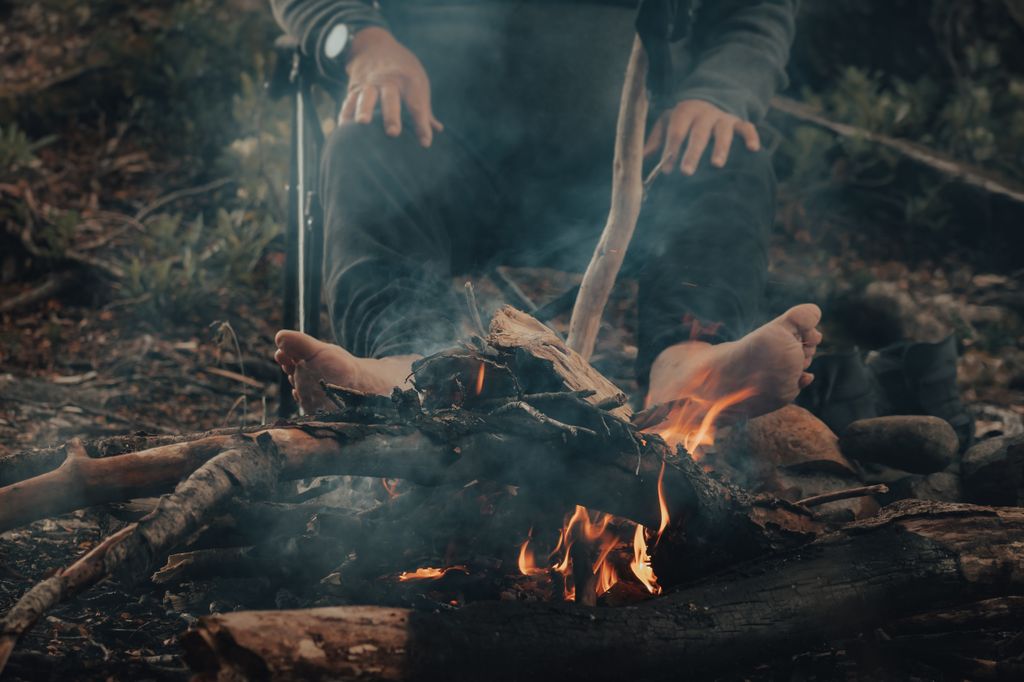
Joop celebrated the stories. Hikers talked about peaks, achievements and statistics. Joop instead told stories about getting lost, dreadful coffee that tasted wonderful at the time, leaking tents, purification tablets, scooters in canyons and miraculous gravel plains. He understood something important: People forget the numbers. People remember the stories.
Joop left trails better than he found them. Not only environmentally. Personally too. If Joop met a struggling hiker, he slowed down. If someone was having a bad day, he sat with them. If someone doubted themselves, he quietly reminded them how far they had already come. Years later, many hikers could not remember exactly what Joop had said. But they remembered how they felt after walking with him.
Eventually people realised something. Joop never inspired others by showing them what he had achieved. Joop inspired others by helping them discover what they were capable of. And that was when Joop stopped being a person and became a legend. Because every experienced hiker eventually becomes someone else’s Joop.
And so the old saying was born:
A Joop is not the person who leads the hike. A Joop is the person who helps you believe you can finish it.
More about Joop…
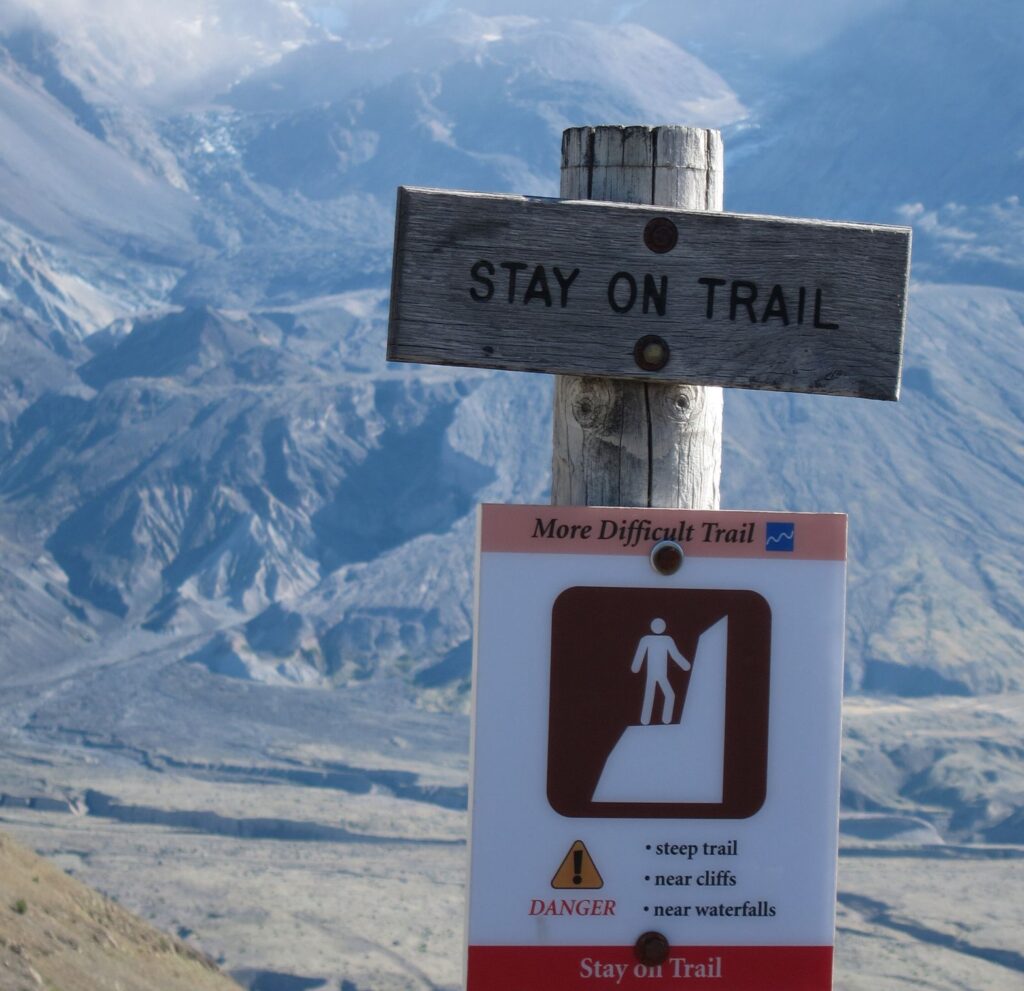
Joop stands for some principles. Read more…
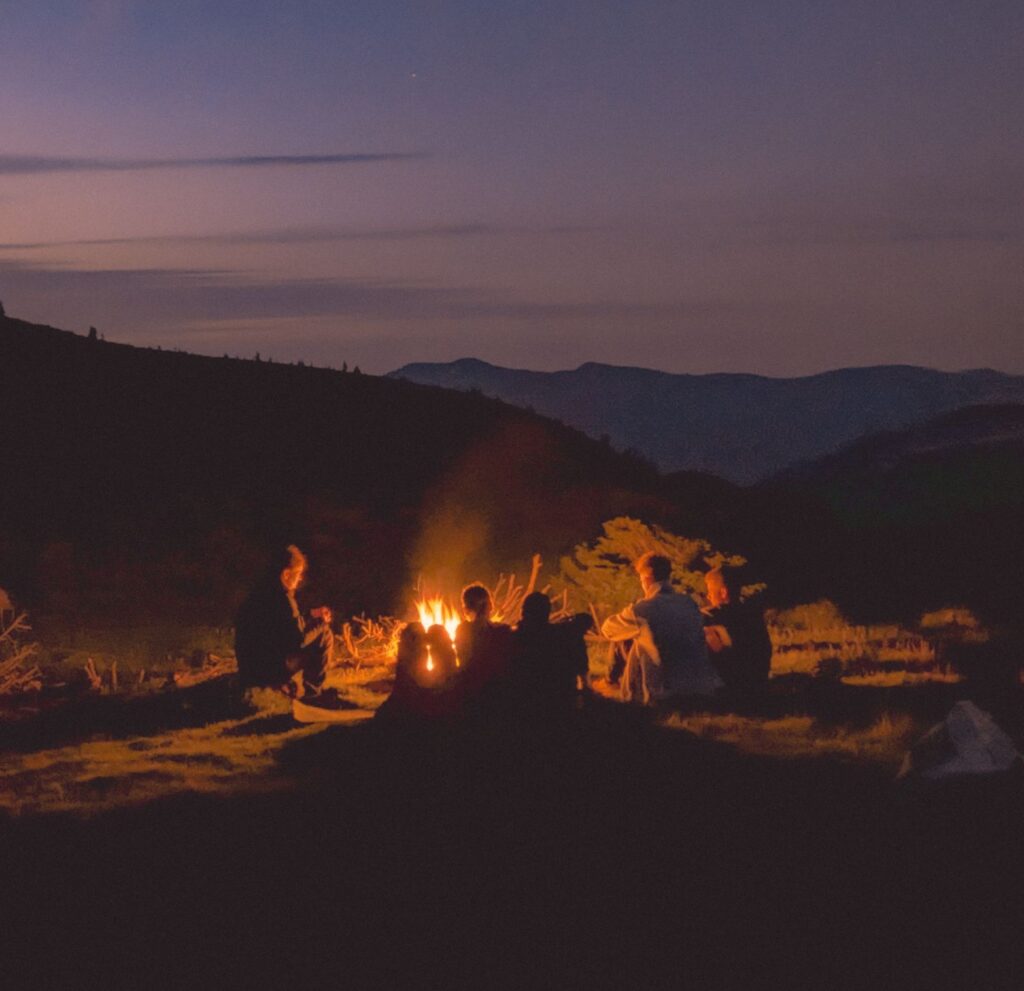
Pull up a log and enjoy the stories being shared.

T-shirts that are worth your while. Because they tell your story.